
Digestive health plays a crucial role in maintaining overall well-being. Two of the most common digestive issues people face are constipation and Diarrhea—both can significantly impact daily comfort and health. While the causes and symptoms differ, both conditions can often be managed effectively with proper diet, hydration, and lifestyle changes.
Constipation
What Is Constipation?
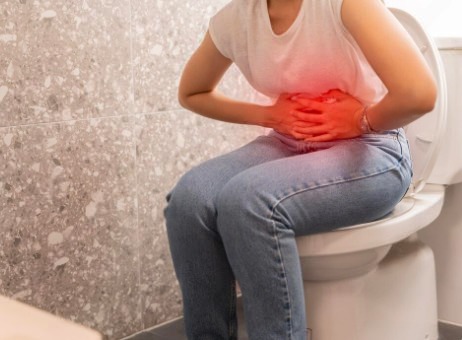
Constipation refers to the infrequent or difficult evacuation of stools. The frequency of bowel movements varies from person to person—some may pass stools daily, while others every second or third day. However, when bowel movement becomes difficult, infrequent, or incomplete, it can cause discomfort and other symptoms such as malaise, headache, coated tongue, foul breath, and loss of appetite.
Types of Constipation
1. Atonic Constipation
This is the most common type of constipation and occurs when the intestinal muscles lose tone, leading to weak peristaltic movements. As a result, food moves slowly through the digestive tract, promoting bacterial stagnation and the formation of toxins.
Common Causes:
- Low-fiber diet
- Insufficient fluid intake
- Poor personal hygiene
- Lack of exercise
- Chronic illness
- Pregnancy
- Excessive use of enemas
2. Spastic Constipation
This type results from increased muscle tone or spasms in the intestinal walls, making stool passage difficult and painful.
Common Causes:
- Irritation of the intestinal mucosa due to excessive alcohol, caffeine, spices, or laxatives
- Low intake of dietary fibre
Contributing Factors:
- Poor diet and irregular eating habits
- Chronic use of laxatives
- Painful defecation due to haemorrhoids or fissures
- Inadequate rest and irregular elimination habits
- Use of sedatives or certain medications
Constipation Across Age Groups
- Infants: Formula-fed babies are more prone to constipation than breastfed infants.
- Young Children: Often due to emotional stress, especially during toilet training.
- Pregnant Women: Pressure from the growing uterus can slow down bowel movement.
- Older Adults: Reduced neuromuscular reflexes in the colon can make evacuation less effective.
Note: Normal daily faecal output ranges from 75–200 g, containing 50–75 g of water. The water content depends largely on dietary fiber, which binds and retains moisture in the stool, easing elimination.
Diarrhea
What Is Diarrhea?
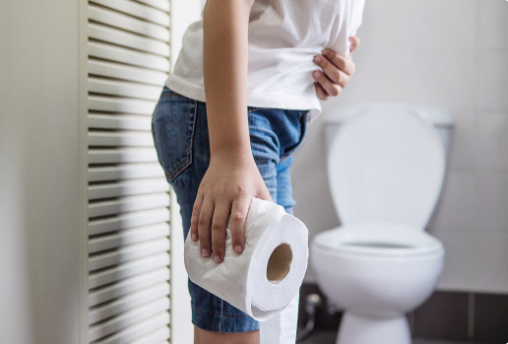
Diarrhea is characterised by the passage of loose, watery stools with increased frequency and volume compared to normal bowel habits. It can lead to dehydration and nutrient loss if not managed properly.
Types of Diarrhea
1. Acute Watery Diarrhea
- Begins suddenly with loose or watery stools (without visible blood).
- It may be accompanied by vomiting and fever.
- If it persists for more than 14 days, it is termed persistent Diarrhea.
2. Dysentery
- Refers to Diarrhea with visible blood in stools, usually due to infection.
3. Chronic Diarrhea
- Long-lasting or recurrent Diarrhea is often linked to non-infectious causes such as gluten sensitivity or metabolic disorders.
4. Acute Diarrhea in Children
- Often caused by poor food hygiene, improper food handling, or indigestion during weaning.
Quick Overview: Common Causes of Constipation and Diarrhea
| Constipation | Diarrhea |
| Inadequate fiber intake | Food intolerance |
| Dehydration | Infection |
| Stress | Stress and anxiety |
| Medication (side effect) | Medication (side effect) |
What Can You Do?
| If You Have Constipation | If You Have Diarrhea |
| Stay hydrated | Maintain proper hydration |
| Eat fiber-rich foods | Follow Oral Rehydration Therapy (ORS) |
| Maintain a balanced diet | Avoid milk and milk products |
| Avoid caffeine | Avoid spicy, fried, and leafy vegetables |
| Manage stress | Avoid caffeine |
| Follow regular meal timings | Maintain hygiene |
| Consult a healthcare professional | Seek medical support if symptoms persist |
How to Prepare Oral Rehydration Solution (ORS) at Home
When suffering from Diarrhea, rehydration is essential to prevent fluid and electrolyte loss. You can prepare an effective ORS solution at home with simple ingredients.
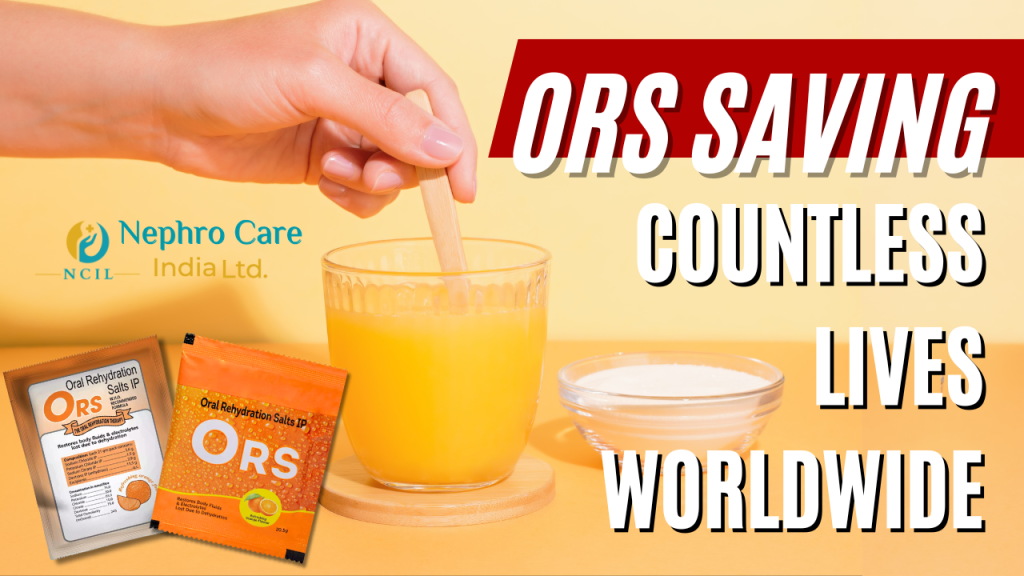
Ingredients:
- 1 litre of clean drinking water (boiled and cooled)
- 6 teaspoons of sugar (30 g)
- ½ teaspoon of salt (2.5 g)
Preparation Steps:
- Boil the water and cool it to room temperature.
- Add sugar and salt to the water.
- Stir well until fully dissolved.
- Store in a clean bottle and sip throughout the day.
Final Takeaway
Both constipation and Diarrhea are often symptoms of underlying digestive imbalance rather than diseases themselves. Simple adjustments—such as drinking adequate fluids, eating balanced meals rich in fiber, maintaining hygiene, and managing stress—can make a significant difference. Always consult a healthcare professional if symptoms persist or worsen.