
In every Indian kitchen, spices do more than add flavor — they tell stories. A pinch of haldi in warm milk, a spoon of jeera sputtering in hot oil, the aroma of freshly ground garam masala… these are the smells and tastes many of us grew up with. But for people who need to watch their potassium levels, these familiar comforts can suddenly feel confusing.
Questions arise:
- “Is this spice safe for me?”
- “Does this chutney have too much potassium?”
- “Should I avoid this masala?”
You are not alone. Many individuals and caregivers feel unsure when trying to balance health with traditional Indian cooking.
The good news? You don’t have to give up your favorite flavors — just understand where potassium hides.
⭐ Why Potassium Awareness Matters
Potassium plays an important role in nerve and muscle function, but excess levels in the body can be harmful. Elevated potassium (hyperkalemia) may cause:
- Muscle weakness
- Irregular heartbeat
- Tingling or numbness
- Severe heart-related complications
Although spices are used in small amounts, their total impact from curries, pickles, chutneys, snacks, and packaged blends can add up during the day.
🌶️ Potassium Content in Common Indian Spices
(Approximate values per 1 teaspoon / 2–3 g — varies by brand and processing)
High-Potassium Spices (>100 mg per teaspoon)
These may need to be limited based on individual dietary advice.
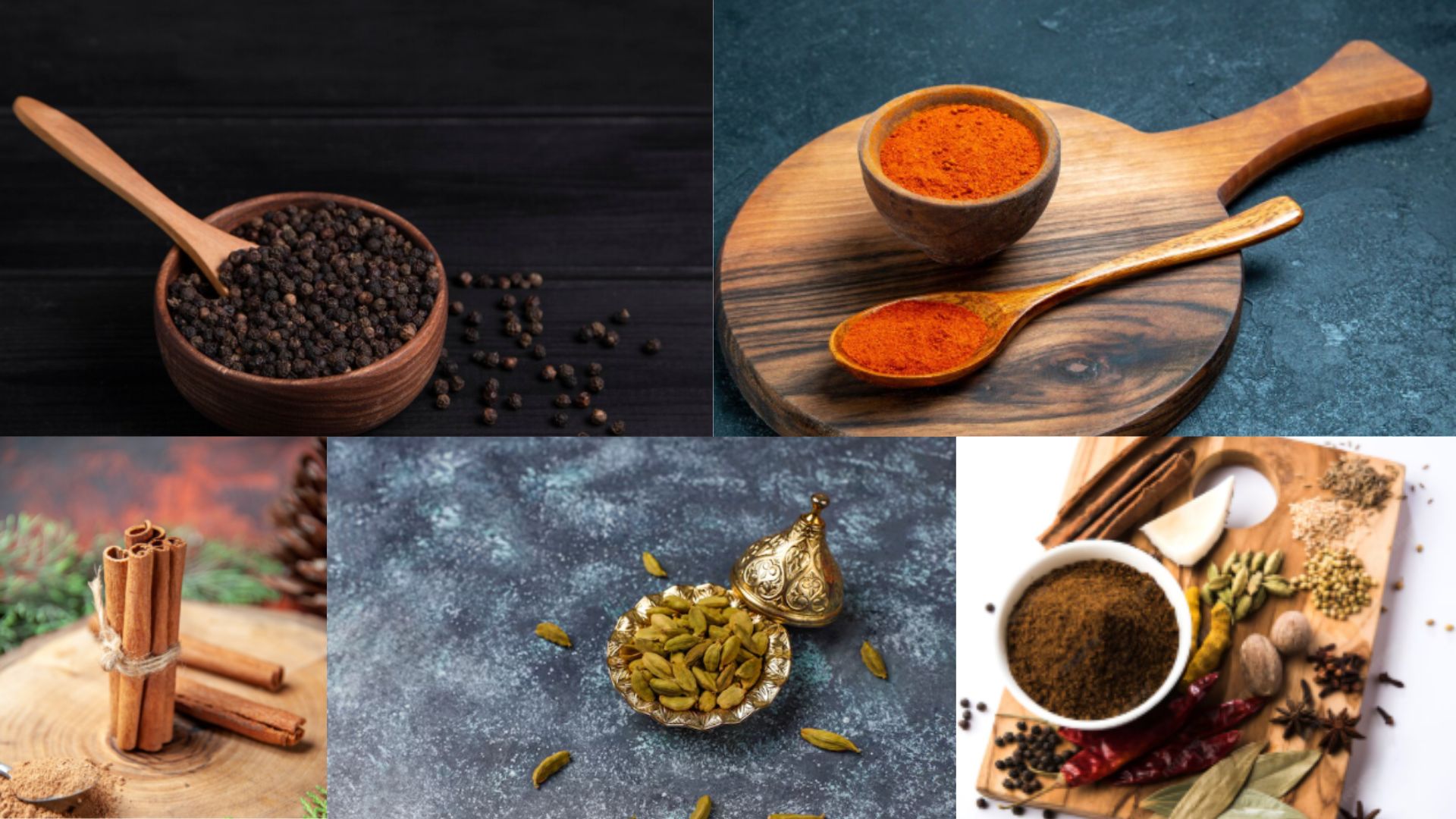
- Black Pepper (Kali Mirch): ~120–140 mg
- Cardamom (Elaichi): ~110–130 mg
- Cinnamon (Dalchini): ~110–130 mg
- Red Chili Powder (Lal Mirch): ~120–150 mg
- Garam Masala (varies by blend): ~120–160 mg
🍅 Potassium in Sauces, Pastes & Condiments
(Approximate values per tablespoon / 15 g)
These items often contain concentrated spices, tomatoes, lentils, tamarind, and salt, making them rich in potassium.
High-Potassium Sauces

- Tomato Ketchup: ~150–200 mg
- Tomato Purée / Paste: ~250–300 mg
- Sambhar Paste: ~200–300 mg
- Pickles (Achar): ~100–250 mg
💡 Smart Tips
- Use spices lightly — turmeric, cumin, ajwain, and coriander are gentler options.
- Reduce tomato-heavy gravies — choose onion-based or curd-based preparations.
- Dilute spice blends — mix garam masala with coriander powder.
- Limit chutneys and pickles — even small servings can add up.
- Check labels — packaged mixes often contain added ingredients that increase hyperkalemia levels.
🥄 DIY Low-Potassium Indian Masala Mix
A mild, flavor-rich blend you can use in everyday dishes:
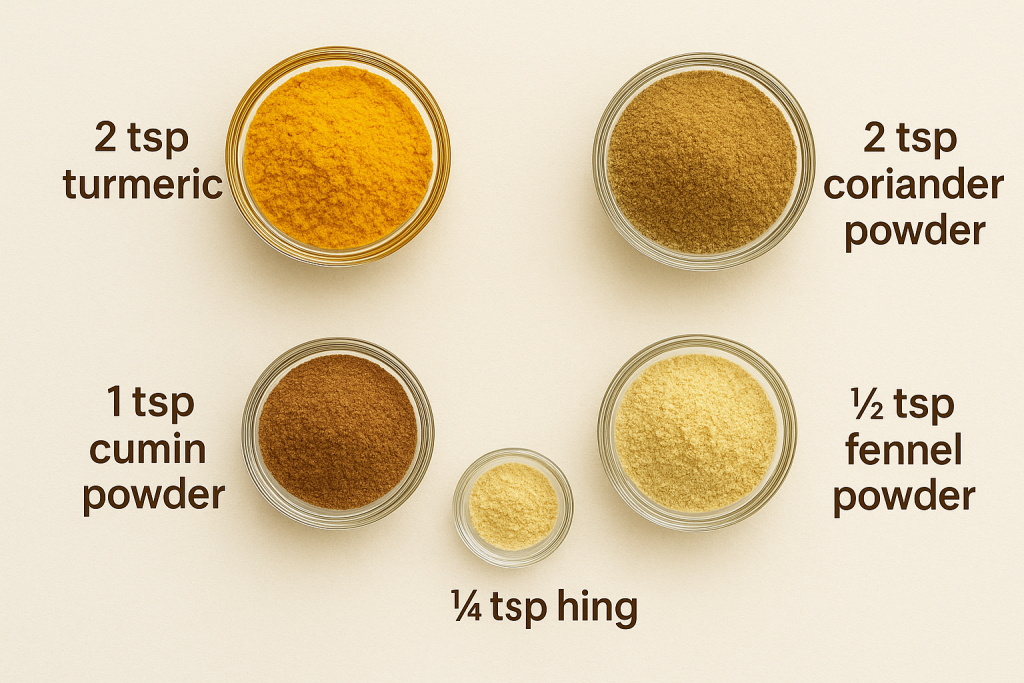
- 2 tsp turmeric
- 2 tsp coriander powder
- 1 tsp cumin powder
- ½ tsp fennel powder
- ¼ tsp hing
Mix well and store in an airtight container.
Avoid high-potassium ingredients such as cinnamon, chili powder, and garam masala.
🌼 Conclusion
Indian cuisine is vibrant, aromatic, and full of character — and you don’t have to give that up.
With a little awareness about potassium levels in spices and condiments, you can continue enjoying the dishes you love while supporting your overall health.
Flavor can stay on your plate — all it takes is mindful choices.